Ledger.com/Start: A Fresh 1200-Word Guide to Setting Up Your Ledger Device
Getting started with a Ledger hardware wallet is one of the strongest steps you can take toward securing your cryptocurrency. Whether you purchased a Ledger Nano device or received one as a gift, the setup process is simple, structured, and designed to guide you safely through creating and managing your wallet. This complete guide walks you through the entire journey—from unboxing the device to performing your first transaction—based on the onboarding path you follow through Ledger’s start page.
Understanding the Purpose of Ledger.com/Start
Before touching the device, it’s important to know why the Ledger setup process is structured the way it is. The goal is to connect users with the official tools, ensure the device is genuine, and teach you the habits required to keep your crypto safe. Cryptocurrency ownership means taking responsibility for your private keys, and Ledger’s onboarding sequence is built to help you understand how to protect them.
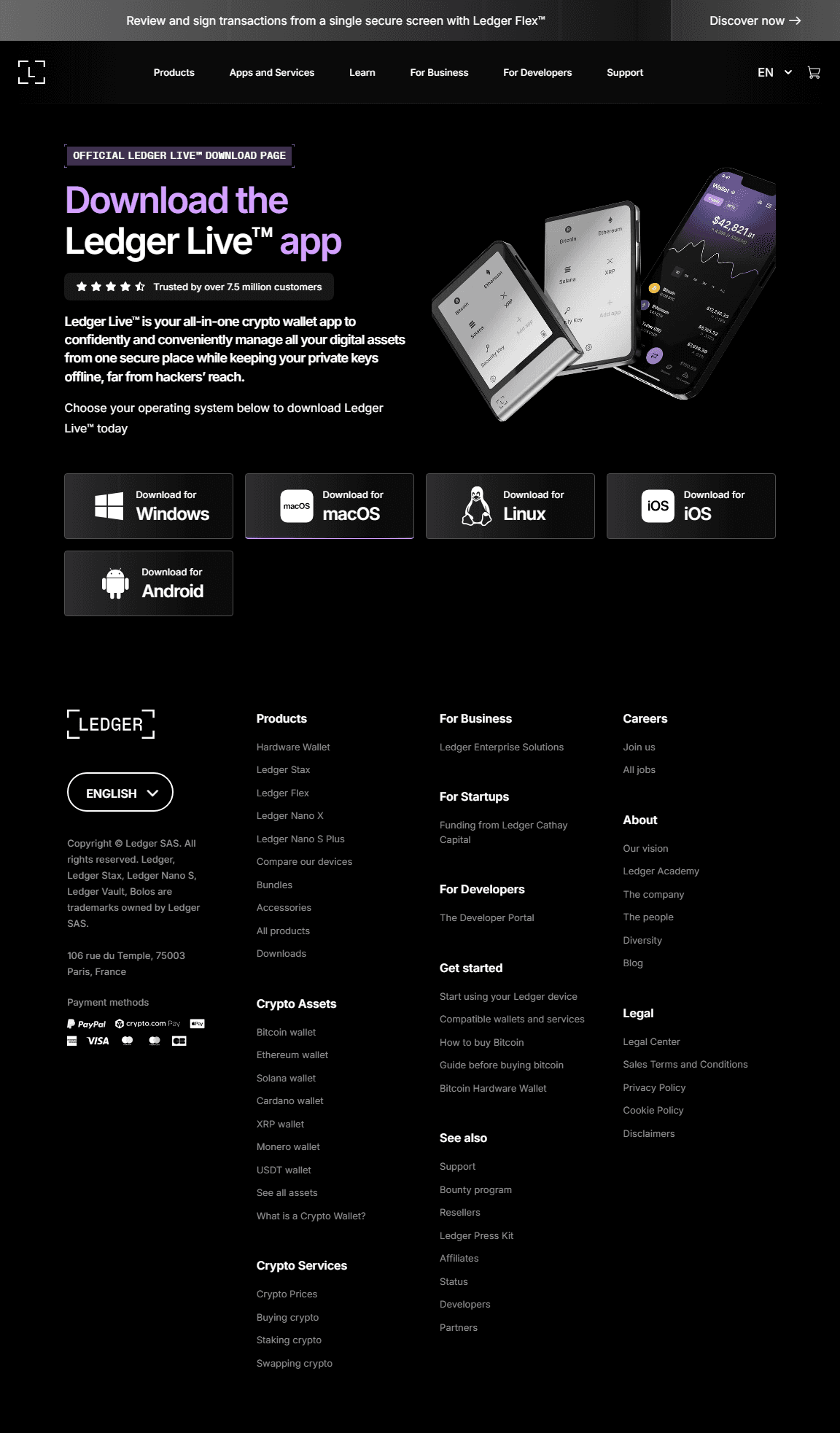
Ledger.com/start also serves as the gateway to installing Ledger Live, the official app that manages your accounts, sends and receives crypto, installs blockchain apps, and updates your device. Instead of searching for software online, the setup path ensures you get the correct and safe application.
Getting Ready for Your Setup
Before you begin the process, place everything you need on your desk:
Your Ledger device
USB cable
A laptop or mobile device
A dedicated notebook or recovery sheet
A safe, private environment with no distractions
Hardware wallets rely on you keeping your sensitive information offline. That means preparing a place where you can write your recovery phrase without anyone seeing it.
Also, check your device packaging. Ledger devices always arrive sealed, with protective wrapping and printed materials. If anything looks tampered with or inconsistent, do not set up the device. Security always comes first.
Installing the Ledger Live Application
The very first step after unboxing your device is installing the Ledger Live app. This application becomes the main interface for your crypto life. Through Ledger Live you can:
Add crypto accounts
View your portfolio
Update firmware
Install blockchain apps
Manage staking options
Send and receive crypto
Once the application is installed, open it. You’ll be greeted with a clean setup wizard that asks what type of Ledger device you have and whether you’re new or restoring an existing wallet. Selecting the correct option ensures that Ledger Live shows you the proper instructions.
Powering On the Device for the First Time
Now it’s time to wake up your hardware wallet.
Connect the USB cable to your computer and attach the Ledger device. The tiny screen on the device will glow, and you’ll see basic navigation tips. Ledger devices use two physical buttons to move through menus and confirm actions. This physical confirmation is a key part of Ledger’s security model—software alone cannot approve actions.
You’ll first be asked if you want to set up the device as new or restore an existing wallet. If this is your first time, choose to set up a new wallet.
Creating Your PIN Code
Your PIN is your first layer of protection. Anyone who gets physical access to your wallet would need this PIN to interact with it. Use the buttons to choose your digits and confirm your selection.
Your PIN shouldn’t be simple or easy to guess. Avoid birthdays, repeating numbers, or anything that someone who knows you could figure out. Write it down temporarily if you need to, but do not store it digitally.
The Most Important Step: Your Recovery Phrase
This is the heart of your wallet. The Ledger device will generate a series of words—usually 24—that act as the master key to everything you store on the device.
This recovery phrase:
Gives complete access to your crypto
Can restore your wallet on any compatible device
Must be written down offline and kept private
Should never be photographed, typed, or saved digitally
Ledger will display each word slowly and in order. Take your time. Double-check each spelling. When finished, the device will ask you to confirm the phrase, ensuring you copied the words correctly.
Never share this phrase. No company, support agent, website, or app should ever ask for it.
Verifying Your Device Through Ledger Live
Once your device is set up and connected, Ledger Live performs a verification process. This step checks that the hardware is legitimate and has not been tampered with. You will see a confirmation message if everything is authentic.
This protects users from counterfeit devices that attempt to steal funds by manipulating the setup process. This built-in authenticity check is one of the major strengths of the Ledger ecosystem.
Installing Crypto Apps on the Device
Your Ledger does not manage cryptocurrencies by default. To interact with a specific blockchain—like Bitcoin, Ethereum, or Solana—you need to install the corresponding app on your device. These apps don’t hold your funds; they simply allow your Ledger to sign transactions and manage addresses on that network.
Here’s how to install apps:
Open Ledger Live.
Go to the device management section.
Select from a list of supported blockchain apps.
Install the apps you need.
The storage on Ledger devices is limited, but removing apps does not delete your crypto. Your private keys remain safely stored.
Adding Crypto Accounts in Ledger Live
After installing blockchain apps on the device, the next step is adding accounts in Ledger Live. Accounts are the specific wallets you use to store and manage each cryptocurrency.
To add an account:
Open Ledger Live.
Choose “Add Account.”
Select the crypto you want to manage.
Allow Ledger Live to communicate with your device.
Confirm the information displayed on the hardware wallet.
You can add as many accounts as you want for supported networks.
Receiving Crypto Safely
To receive cryptocurrency, you need to generate a receiving address through Ledger Live. The most important safety practice is verifying the address on your hardware wallet’s screen.
This ensures you are not sending funds to an address altered by malware.
The receive process usually looks like this:
Choose the crypto account you want to receive into.
Click “Receive.”
Ledger Live will generate an address.
Look at the device screen to verify that the address matches.
After confirming, share the address with the sender.
Never send funds before checking the address directly on the device.
Sending Crypto from Your Ledger
Sending crypto is just as straightforward. You enter the recipient’s address, amount, and network fees in Ledger Live. Then, the transaction must be confirmed physically on your Ledger device.
This physical confirmation process protects you from malicious software. Even if your computer is infected, the transaction cannot be executed without your approval on the hardware wallet.
Keeping Your Device Updated
Firmware updates are an essential part of hardware wallet security. Updates improve performance, add new features, fix bugs, and sometimes expand support for new assets.
To update:
Open Ledger Live.
Connect your device.
Follow the firmware update instructions.
Always make sure your recovery phrase is safely stored before updating.
Additional Features Inside Ledger Live
Ledger Live offers more than simple account management. You can access:
A full portfolio overview
Staking options for certain cryptocurrencies
Swapping features through integrated services
Detailed transaction history
Portfolio analytics
Device management tools
These features make Ledger Live a full-service control center for your digital assets.
Troubleshooting and Common Fixes
If something doesn’t work, here are common issues and solutions:
Device not detected: Try a different USB cable or port.
Firmware not installing: Restart both Ledger Live and the device.
Full storage on device: Uninstall apps you’re not using.
Address mismatch: Always verify on the device screen.
Because your private keys never leave the device, reinstalling apps or reconnecting does not affect your funds.
Conclusion
Ledger.com/start is the essential foundation for safely using a Ledger hardware wallet. It provides a structured, secure, and easy-to-follow introduction to setting up your device, installing Ledger Live, creating your recovery phrase, and managing your crypto portfolio. With the combination of strong hardware security and an intuitive application, Ledger gives you complete control over your digital assets while keeping your private keys offline and safe.