Ledger.com/Start: A Complete 1200-Word Setup Guide for Ledger Hardware Wallets
Setting up a Ledger hardware wallet is one of the most important steps you can take to protect your cryptocurrency. Unlike software wallets, hardware wallets store your private keys offline, making them far more resistant to digital threats. Ledger.com/start is where new users begin the setup process, guiding you through downloading Ledger Live, preparing your device, creating your recovery phrase, and learning how to manage your assets securely. This comprehensive guide walks you through everything this onboarding experience includes—clear, detailed, and beginner-friendly.
Introduction to the Ledger Setup Process
When you begin using a Ledger device, the setup is more than just turning it on. It’s a security-focused sequence designed to ensure that the device is genuine, properly initialized, and never exposed to tampering or fraud.
At ledger.com/start, users are introduced to:
Ledger Live installation
Device initialization
Recovery phrase creation
Hardware verification
Blockchain app installation
Account setup and asset management
Following this structured path guarantees that your device is authentic and your private keys are generated safely within the device itself, never online.
1. Preparing Before You Start
Before diving into the setup, take a moment to prepare your workspace. A secure and calm environment helps you focus, especially when dealing with sensitive information such as your recovery phrase.
You’ll need:
Your Ledger hardware wallet
The USB cable that comes with it
A computer or smartphone
A pen or pencil
A recovery sheet or notebook that will remain private
Make sure your packaging looks genuine and untampered. Ledger’s security depends on the device being new and untouched. It should never come preconfigured or contain any printed recovery phrase. If you see anything suspicious, do not continue with the setup.
2. Installing Ledger Live
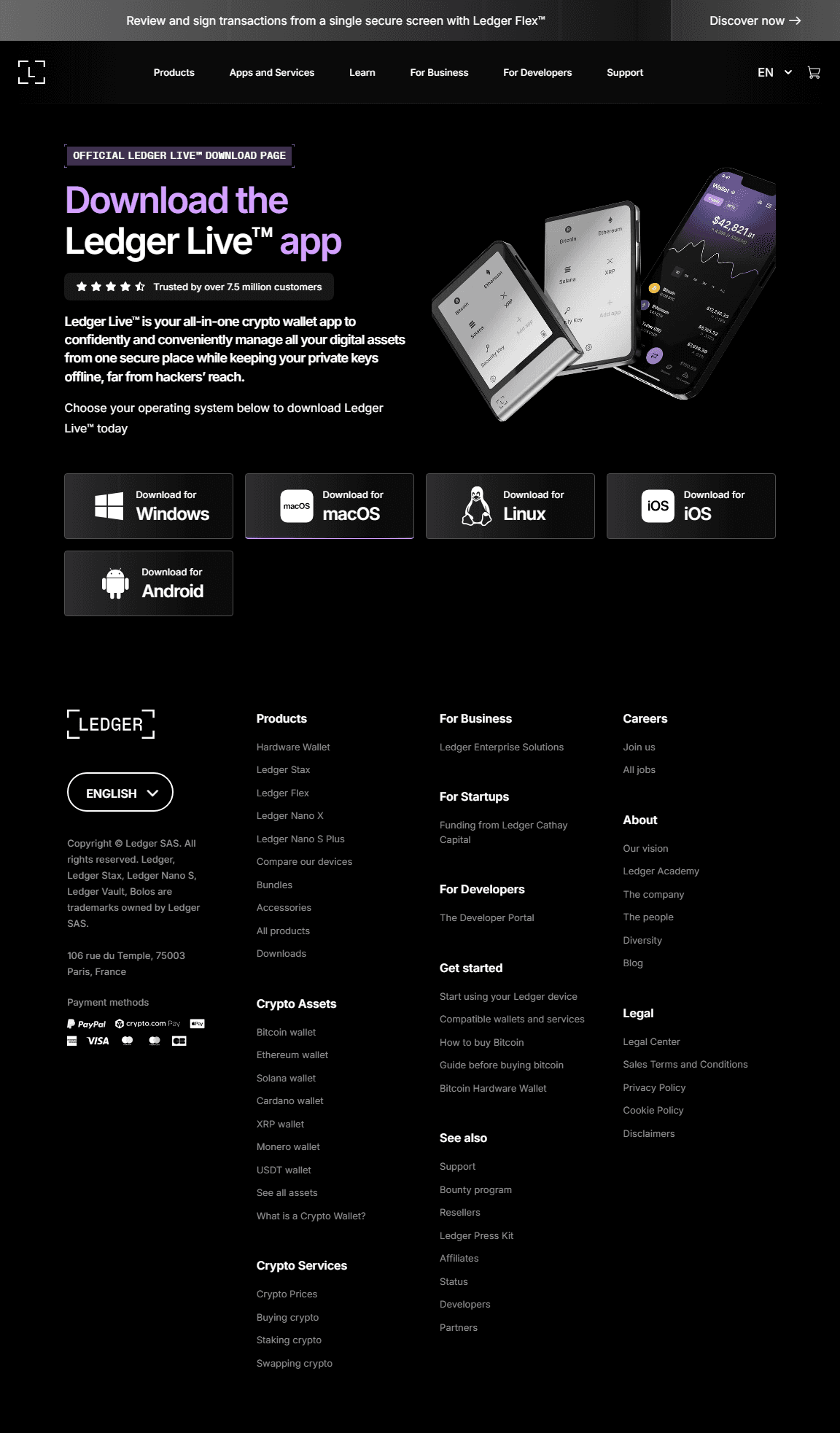
Ledger Live is the official application for interacting with your Ledger hardware wallet. It’s used to manage cryptocurrency accounts, install blockchain apps, confirm device authenticity, update firmware, and track your portfolio.
Once installed and opened, Ledger Live will ask you to select your device model and whether you are setting up a new device or restoring an existing wallet. Choosing “set up as new” ensures the device generates a fresh recovery phrase securely within the hardware.
Ledger Live will guide you step-by-step, making it suitable for beginners as well as experienced users.
3. Turning On and Navigating Your Ledger Device
After launching Ledger Live, connect your Ledger device with the USB cable. The device will turn on and display simple instructions for navigating the interface using its two buttons.
These buttons are used to:
Move left and right
Confirm selections
Cancel actions
The physical button system forms a core part of Ledger’s security. Nothing on the computer can operate the device without your explicit physical approval.
When prompted, choose to set up a new device. This ensures no previous keys exist on the wallet.
4. Choosing and Securing Your PIN
The next step is setting your PIN code. This protects your Ledger device if someone attempts to access it without permission.
You’ll select a sequence of digits using the left and right buttons. Once the PIN is set and confirmed, memorize it. If written down temporarily, ensure it is destroyed after you have committed it to memory. Avoid obvious combinations or predictable patterns.
Your PIN becomes the first line of defense against unauthorized access.
5. Generating Your Recovery Phrase
This step is the foundation of your wallet’s security. Once you have confirmed your PIN, your Ledger will generate a recovery phrase. Typically consisting of 24 words, this phrase acts as the master key to your entire wallet.
Here’s what you must know:
Write the words down in the exact order shown
Never take a picture of the phrase
Never store it on a computer or online
Never share it with anyone
Keep it locked and privately stored
Your recovery phrase allows you to restore your wallet if your Ledger device is lost, broken, or replaced. Because it provides total access to your crypto, it must be protected with extreme care.
After writing the words down, your Ledger device will test your accuracy by asking you to confirm various words from the phrase.
This is the most important part of the setup. Take your time and ensure accuracy.
6. Verifying the Authenticity of Your Device
Once your recovery phrase is created and confirmed, Ledger Live performs an authenticity verification. This step checks:
Whether the device is genuine
Whether the secure element chip is intact
Whether there has been any tampering
Ledger’s hardware includes robust security architecture, and this verification ensures your device is trustworthy before you store any assets on it.
7. Installing Blockchain Applications on the Device
Ledger hardware wallets do not come with blockchain apps installed. Instead, you add them later using Ledger Live. Each cryptocurrency you want to manage requires its own app. For example, the Bitcoin app is required to manage Bitcoin accounts, while the Ethereum app supports ETH and tokens on that network.
To install apps:
Open Ledger Live
Navigate to the device management section
Select the apps you need
Install them onto your hardware device
The installation process is simple and fast, and you can always remove apps later to free up space. Removing an app never removes your crypto—the private keys remain on the device.
8. Adding Cryptocurrency Accounts
After installing the apps, you can add accounts for each type of cryptocurrency you plan to manage.
To add an account in Ledger Live:
Go to the “Accounts” section
Select “Add Account”
Choose the cryptocurrency
Connect your device
Verify the address or details on your Ledger screen
Complete the setup
Accounts allow Ledger Live to display your balances, track transaction history, and show your portfolio performance.
9. Receiving Cryptocurrency Securely
When receiving cryptocurrency, one of the most important security steps is verifying the address on your Ledger device. This ensures that no malicious software has altered the address.
To receive crypto:
Select your receiving account
Click “Receive”
Ledger Live will display the address
Your Ledger device will display the same address
Confirm that both match
Share the address with the sender only after verification
This step prevents attackers from redirecting funds to their own address and is one of the reasons Ledger is considered a highly secure wallet.
10. Sending Cryptocurrency
Sending is just as simple, but with added security. When you enter a recipient's address and amount in Ledger Live, the transaction must be approved physically on your Ledger device.
Steps to send crypto:
Choose “Send”
Enter the amount and recipient address
Review transaction details in Ledger Live
Confirm the details on your Ledger hardware
Approve the transaction physically using the device buttons
This confirmation ensures that even if your computer is compromised, no unauthorized transaction can be executed.
11. Keeping Your Ledger Updated
Keeping your device up-to-date is essential for maintaining security. Firmware updates add improvements, fix bugs, and sometimes expand asset support.
Updating requires:
Connecting the device
Opening Ledger Live
Following the firmware installation guide
Your recovery phrase is not required during updates, but you should always have it safely stored in case of unexpected issues.
12. Additional Features in Ledger Live
Ledger Live offers much more than basic wallet management. Some of the features include:
Portfolio tracking
Staking options for select assets
Crypto swapping through integrated providers
Transaction history
Device management
Blockchain app catalog
These features make Ledger Live a complete platform for managing your digital assets.
Conclusion
Ledger.com/start provides everything you need to set up your Ledger hardware wallet safely and confidently. By following the structured steps—installing Ledger Live, creating your recovery phrase, confirming device authenticity, adding blockchain apps, and configuring accounts—you gain full control over your digital assets with industry-leading security.